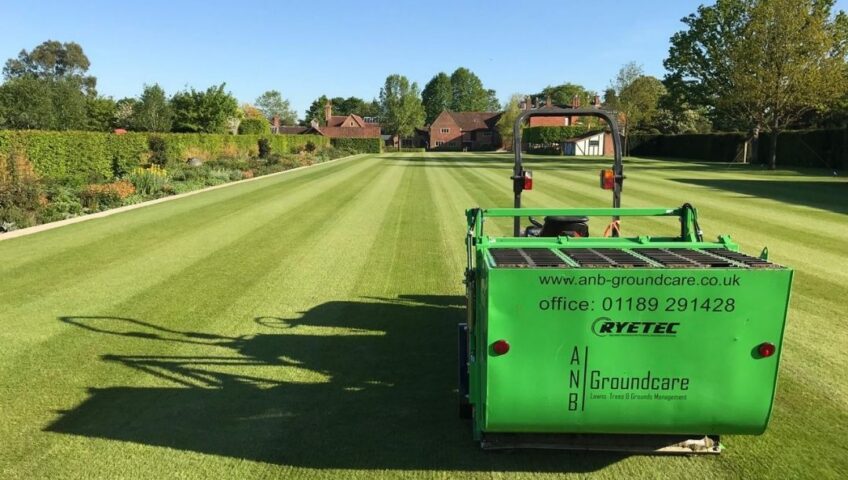
Autumn can be the perfect time to take stock of your grounds, identify the bigger jobs that need attention and start planning ahead. Some projects may be best tackled during the autumn and winter months, while others will need to be planned now if you want them completed in time for spring. So, here’s our autumn checklist for the bigger outdoor projects worth putting on your radar.
1. Get your trees checked
Once the leaves begin to fall, it becomes easier to see the overall structure of trees and identify branches that may need attention. Autumn is therefore a useful time to take a closer look, particularly with those trees located close to buildings, roads, pathways, car parks, paddocks or areas used by visitors. Things to consider include:
- Dead, damaged, overhanging or diseased branches.
- Trees that have become unstable, especially with the recent hot weather.
- Branches interfering with buildings, vehicles or access routes.
- Whether any larger tree surgery projects need planning.
For larger estates and commercial sites, it can also be a good opportunity to think beyond individual trees and consider whether a wider tree survey or management plan would be beneficial.
Top tip: Don’t wait until the first major winter storms to discover that a tree needs attention, identifying potential problems early gives you more time to plan the work.
2. Review your driveways and access routes
Autumn and winter weather can quickly expose problems with driveways, tracks and access routes. Puddles that seemed insignificant during the summer can become persistent areas of standing water, while heavy rainfall and increased vehicle use can make existing problems worse. Take a walk around your site and look for potholes and uneven surfaces, standing water, poor drainage, erosion, damaged edging or access routes struggling with increased traffic for signs that things need attention..
This is particularly important for commercial estates and equestrian properties, where driveways and tracks may need to cope with vans, deliveries, trailers, machinery and larger vehicles. If a driveway or access route needs significant work, autumn is a good time to start planning rather than waiting until spring.
3. Start planning those bigger spring projects
Perhaps the most important job on your autumn checklist isn’t something you need to do immediately, it’s planning what comes next. If you have a larger landscaping project in mind for spring, autumn is a good time to start exploring the possibilities. Getting the project scoped out during autumn means you can start thinking about budgets, materials and timescales well ahead of the new season.
This might include a complete garden redesign, a new patio or terrace, driveway replacement, fencing projects, tree works, drainage improvements or larger estate landscaping projects. Starting the conversation early gives you time to define what you want to achieve, understand the scope of the project and plan the work around other activities on the property.
4. Check fencing, gates and boundaries
Autumn and winter can be hard on fencing. High winds, heavy rain and saturated ground can all put additional pressure on posts, panels and gates, so autumn is a good time to identify weaknesses before winter weather really sets in.
For equestrian properties, check paddock fencing, gates and access points carefully. For commercial estates, consider both the condition and appearance of boundaries, as well as security and access.
Ask yourself: Does this need repairing or would replacing a larger section now make more sense? Planning larger fencing projects in advance can often be more practical than dealing with individual failures as they occur.
5. Don’t ignore drainage
If there’s one thing autumn and winter are likely to highlight, it’s problems with drainage. Heavy rainfall can quickly reveal where water is collecting and where existing drainage isn’t coping. Ditches around your property or grounds play an integral part of land drainage and are often overlooked as significant ways to remove water off site. Look out for persistent standing water, waterlogged areas, erosion, poor drainage around patios or blocked ditches and culverts.
If you notice a recurring problem, don’t simply treat the symptoms, consider where the real problem starts. A larger landscaping or groundwork project may provide a longer-term solution.
We recently spoke with a client from Waltham St Lawrence, regarding the drainage of their pond. As a result of the recent hot weather the water had disappeared enough to expose the height of the silt and debris build up from surrounding ditches feeding into it. We were contracted to tidy up the surrounding trees and hedges, then remove the silt and debris down to the original clay line base, the pond is now in a much better place, reducing the risk of flooding as we head into the winter months.
6. Think about your grounds from a user’s perspective
Autumn is also a useful time to consider how your grounds work, walk around the site as a visitor, customer, employee, rider or resident might and ask yourself:
- Are pathways easy to navigate?
- Are entrances welcoming?
- Is signage easy to see?
- Are there areas that become difficult to access in poor weather?
- Does the landscaping reflect the quality of the property or business?
For commercial estates, hotels or visitor-facing businesses, the outdoor environment can form an important part of the overall customer experience and set the expectations of their stay. For larger residential properties, farms or equestrian venues, practicality, accessibility and safety may be just as important as appearance.
In summary
The temptation can be to think about outdoor projects once spring arrives and you’re ready to enjoy your garden or grounds again, but by then, you may already be competing for contractors, materials and availability. Autumn provides an opportunity to step back, assess what needs attention and put a plan in place.
Whether you’re managing a large residential garden, commercial estate or equestrian venue, the best grounds don’t happen by accident. They are carefully planned, maintained and improved over time. So, before you put away the garden tools for winter, take a look beyond the leaves and everyday maintenance.
ANB Trees & Grounds can help you plan and deliver larger outdoor projects across Berkshire, Buckinghamshire and Surrey. Get in touch to discuss your project with our friendly office team.